Reported by ScienceDaily
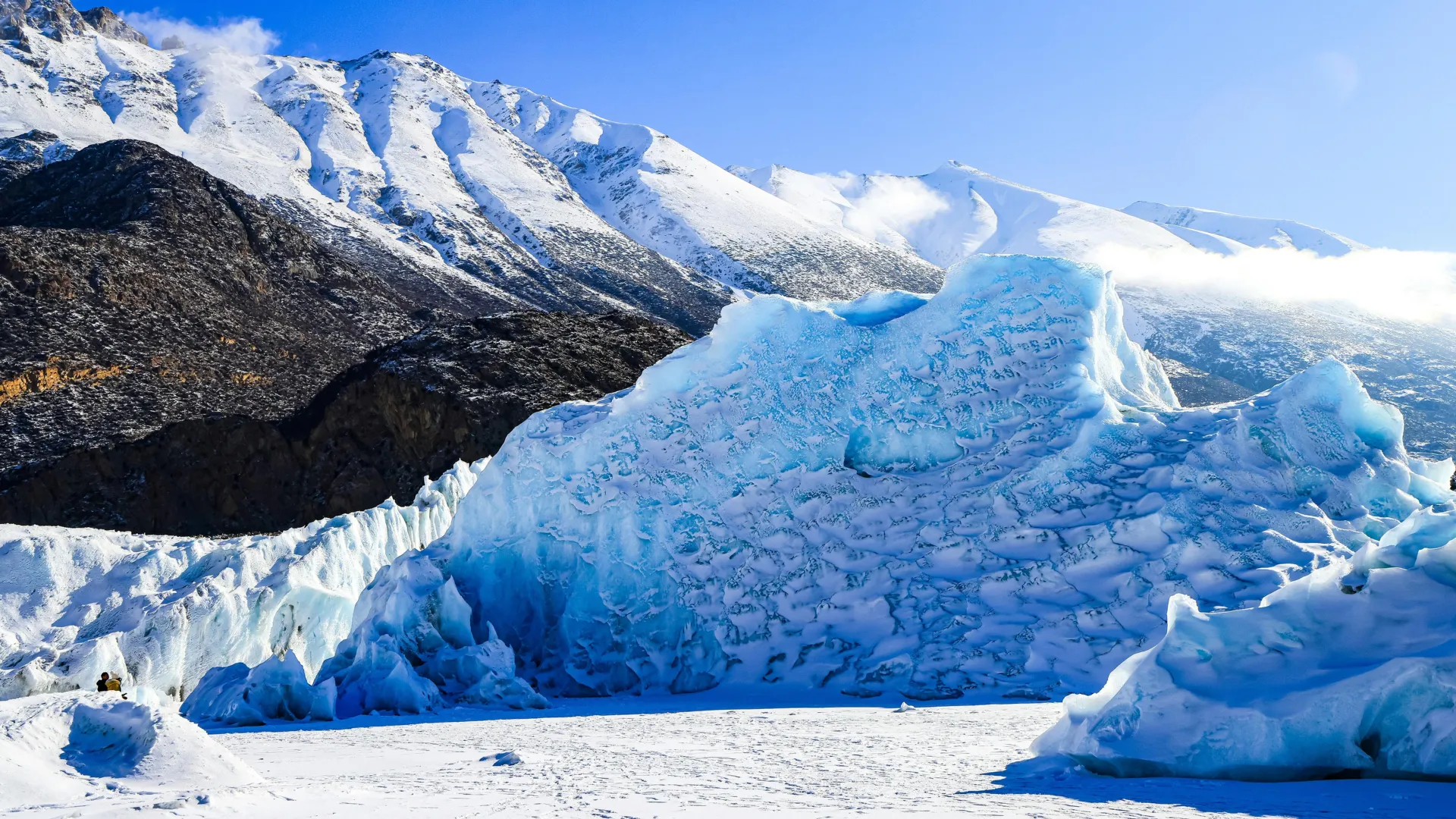
Deep within an ice cap in northwestern Tibet, scientists have uncovered evidence of a remarkable frozen record that may stretch back more than 128,000 years. The discovery suggests that ice high in the mountains has survived since the last ice age and could provide an extraordinary window into Earth's ancient climate.
The findings extend the known glacial record from the region by more than 100,000 years, making these the oldest ice cores ever recovered from this part of Tibet. They also offer rare evidence of how mountain glaciers endured major changes in Earth's climate.
Researchers reached their conclusions by examining ice cores collected from the Guliya Plateau in 1992 and 2015. Despite being drilled 23 years apart, the samples revealed strikingly similar patterns of oxygen isotopes, which scientists use to reconstruct past environmental conditions. The close match indicates that the ice has preserved a reliable and reproducible record of climate history.
More from the original report
"Reproducibility of the records within a given ice cap is extremely important," said Lonnie Thompson, lead author of the study, professor of earth sciences and senior research scientist at the Byrd Polar Research Center at The Ohio State University. "If you get an identical record a quarter of a century later, it can tell you a lot about the behavior of the ice over time."
Determining the age of ice that has remained frozen for tens of thousands of years is no simple task. To establish a more accurate timeline, the international research team turned to advanced dating methods involving radioactive isotopes of beryllium and chlorine.
These naturally occurring radioactive forms of elements decay at predictable rates, making them valuable tools for identifying events deep in Earth's environmental history. In this case, researchers used them to detect evidence of the Leschamp Geomagnetic Excursion, a dramatic disturbance in Earth's magnetic field that occurred more than 41,000 years ago and left distinctive chemical signatures in the ice.
The team then compared its findings with oxygen isotope records preserved in nearby Tibetan cave deposits. Together, the evidence suggests that the Guliya ice record may extend well beyond 128,000 years into the past.