Reported by ScienceDaily
For decades, scientists believed they understood what caused the dangerous inflammation associated with a rare genetic disorder. Now, researchers at the Garvan Institute of Medical Research have uncovered evidence that challenges 30 years of established thinking and could open the door to a new treatment.
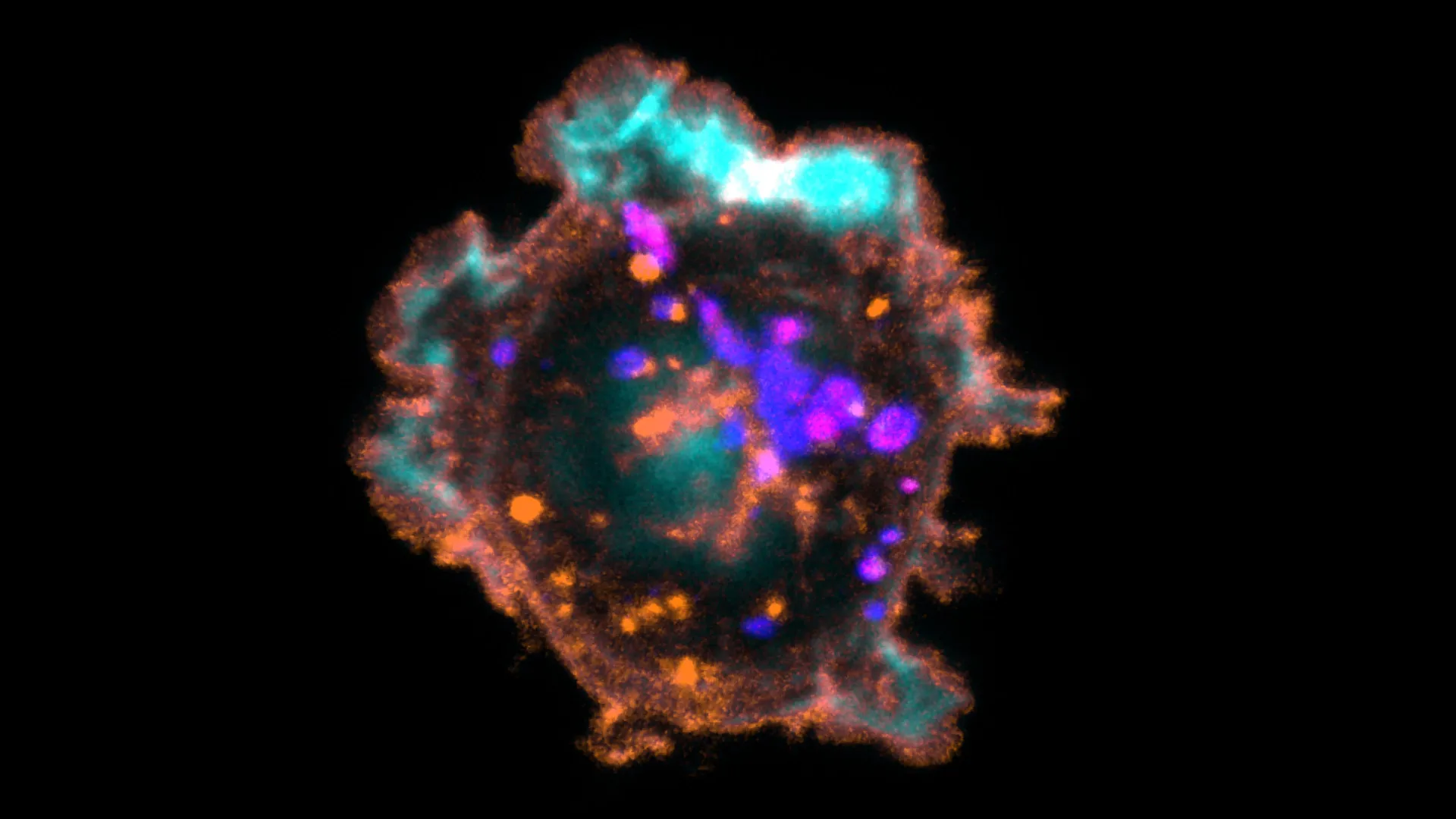
The condition, known as mevalonate kinase deficiency (MKD), can cause severe inflammatory episodes that are sometimes life-threatening. A new study published in Immunity identifies a previously underrecognized problem involving natural killer (NK) cells, immune cells that normally help the body eliminate infected cells.
The researchers found that these cells malfunction in people with MKD, setting off an excessive inflammatory response when infections occur. The discovery also points to a possible treatment using existing medications called JAK inhibitors, which could be particularly valuable for patients who do not respond to current therapies.
More from the original report
"This study has revealed a new target for this inflammatory disorder and sets the scene for future clinical studies to explore the use of JAK inhibitors or other drugs to neutralize interferon gamma in patients with MKD," says Professor Mike Rogers, Lab Head at Garvan and senior author of the study. "This could lead to a targeted treatment that hasn't been tried before."
MKD is a lifelong condition known to affect hundreds of children and adults around the world, although researchers suspect that many people with the disorder have never been diagnosed. Patients experience recurring attacks of high fever, skin rashes, joint pain, and inflammation in the abdomen. The most serious episodes can cause potentially fatal complications.
For roughly three decades, research into the disease has largely centered on macrophages, immune cells that help coordinate the body's inflammatory defenses. Existing treatments are designed to block an inflammatory signal released by these cells. However, approximately half of patients do not respond adequately, leaving a major need for better treatment options.
To investigate what might be missing from the prevailing explanation, the Garvan team examined blood samples from people with MKD and studied preclinical models of the disorder.
Their experiments revealed a significant defect in natural killer cells, which play an important role in the body's…