Reported by The Guardian
See My World, an event highlighting the pan-African thought via film, poetry and dance, builds on momentum sparked by local activists and creatives
African philosophies including exploring how lessons from the past can shape the present and near future have inspired a film festival coming to Manchester .
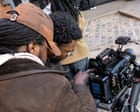
See My World , a day dedicated to independent creators from across the African diaspora in the north of England, will take place at the Contact theatre on 21 November.
More from the original report
The festival is part of See My World’s year-round programme showcasing pan-African arts, culture and events.
It reflects the determination among creatives and activists in Manchester to build on the legacy of the 1945 Pan-African Congress in Manchester – which connected luminaries of postwar independence movements with a shared vision of liberation – after last year’s 80th anniversary commemorations .
See My World’s CEO and artistic director, Tunde Adekoya, said this month’s film festival was taking inspiration from across the spectrum of pan-African thought, including the works of Kenyan writers John Mbiti, an Anglican theologian who died in 2019, and Ngũgĩ wa Thiong’o, the author of the groundbreaking 1986 book Decolonising the Mind who died last year.
Both writers rejected the colonial conceit that African thought was inferior, stressed the importance of community and saw reclaiming African ways of knowing as essential to a people’s self-understanding.
While Mbiti sought common ground between African religions and Christianity, Ngũgĩ was a Marxist. He argued colonialism was motivated by cultural and economic conquest, and that European powers used language as their sharpest instrument. Ngũgĩ famously abandoned English to write in Gikuyu, a Bantu language mainly spoken in Kenya and criticised the role missionary Christianity played in colonial rule.
Adekoya said: “It’s a day dedicated to pan-African and global majority films from the north of England with exclusive premieres of documentaries we’ve been working on, which weave together expressions of liberation through art forms like poetry and dance.
Starting with the Guardian’s own history, Guardian journalists explore the legacies of enslavement and reparative justice around the world
“The whole idea is that it’s like a playground…