

Reported by BBC Science
In January 2026, wildfires in Chile caused the evacuation of more than 50,000 people
Many extreme weather events are becoming more common and more intense around the world, fuelled by human activities such as the burning of fossil fuels.
Here are four ways that rising temperatures are affecting weather extremes.
More from the original report
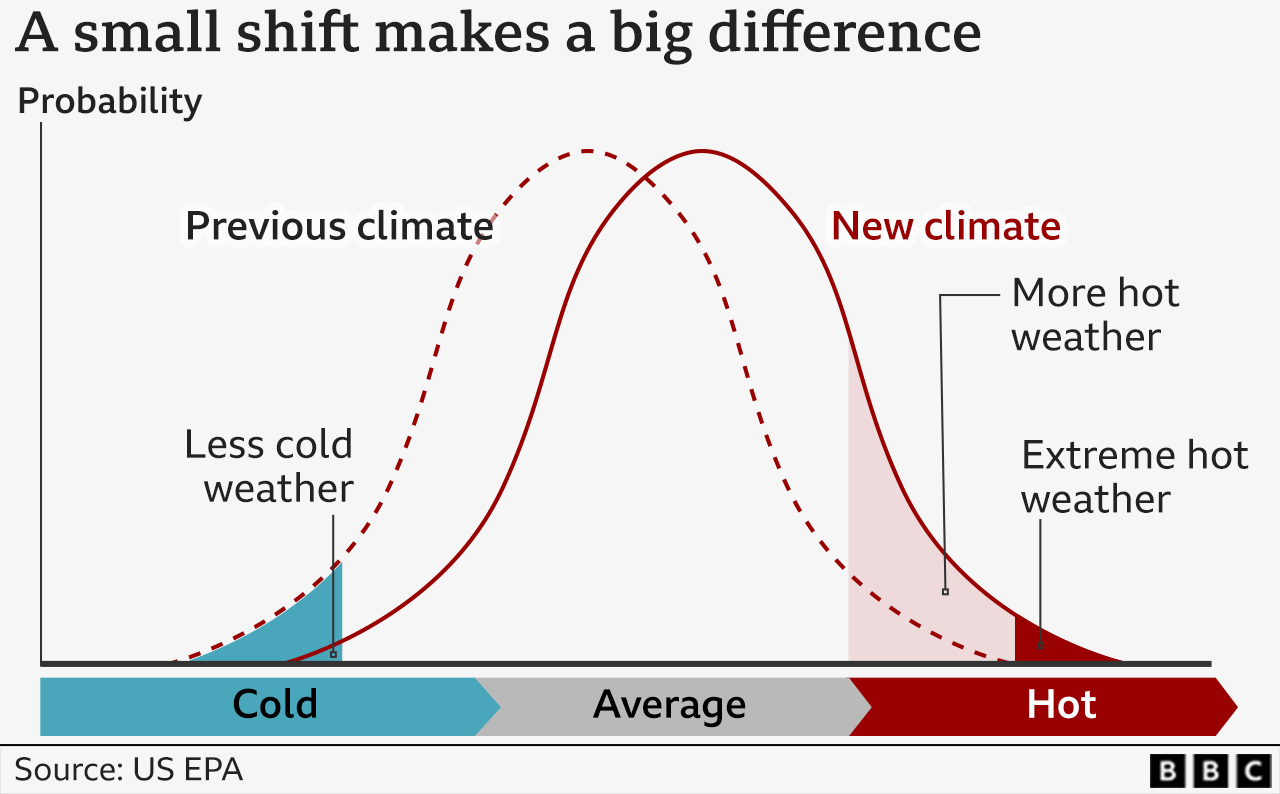
Even a small increase in average temperatures makes a big difference to heat extremes.
As the range of daily temperatures shifts to warmer levels, hotter days become more likely and more intense.
Scientists use computer models to simulate how individual extreme weather events unfold in two scenarios:
today's world with about 1.4C , external of human-caused warming
That way, they can estimate , external how much a particular heatwave, storm or drought was affected by climate change.
The UK experienced its hottest summer on record in 2026, which the Met Office said was made 130 times more likely by climate change.
Five widespread heatwaves affected the country, resulting in 40 days of temperatures above 30C (86F).
Head of Climate Attribution at the Met Office, Dr Mark McCarthy, described summer 2026 as "remarkable" and warned that extreme heat events would only become more common as the world warms.
Climate change has also intensified multiple heatwaves across the world this year, according to scientists at the World Weather Attribution group (WWA).
Examples include Australia's worst heatwave in six years in January, the 45C that India experienced in April and Europe's deadly June temperatures .
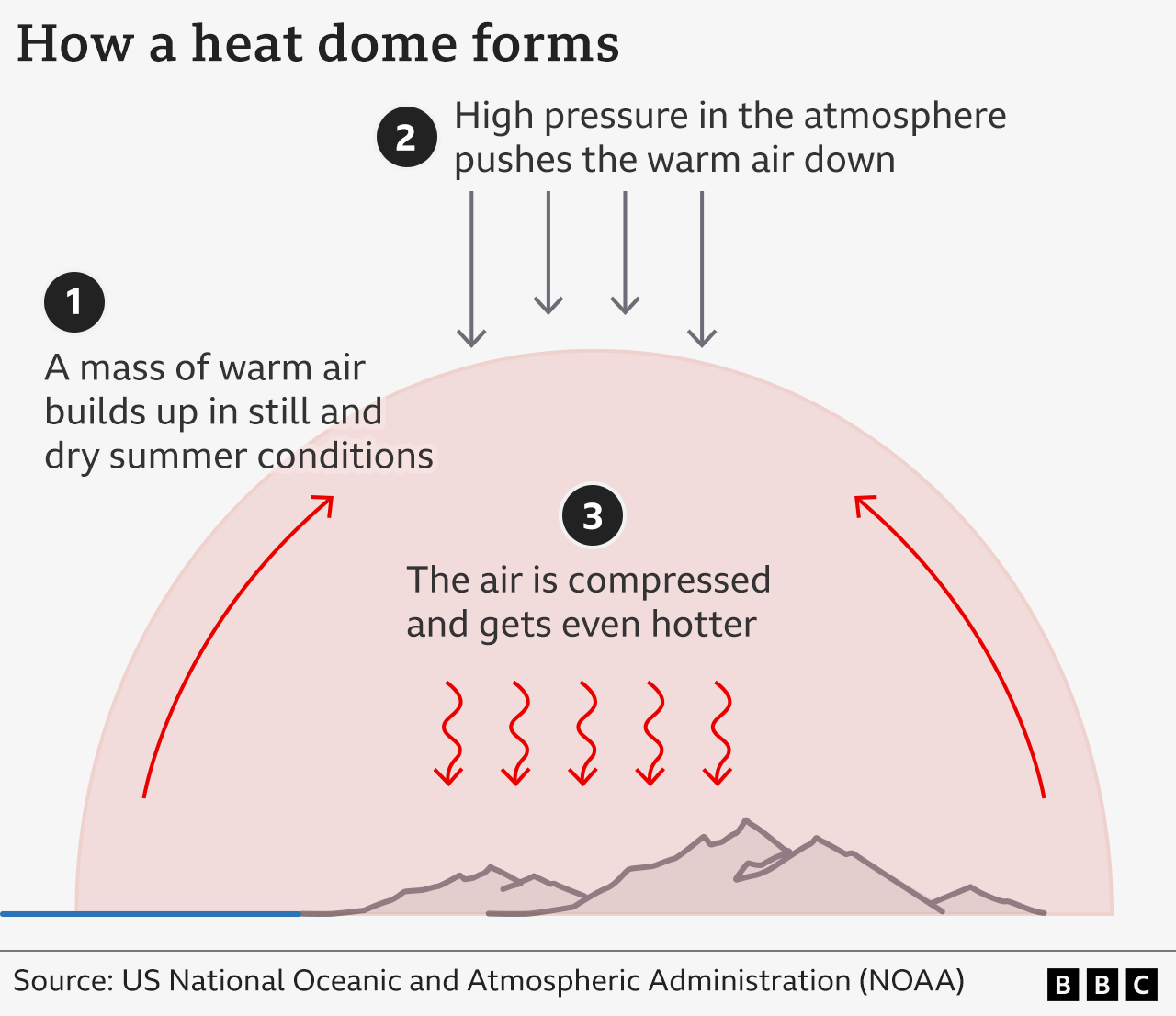
Heatwaves can happen as a result of heat domes , external , which are created when an area of high pressure stays over the same area for days or weeks, trapping hot air underneath.
Higher temperatures in the Arctic - which has warmed nearly four times faster than the global average , external - may be affecting the fast band of winds high in the atmosphere known as the jet stream.
One theory suggests that this is making heat domes more likely, although this is not clear cut.
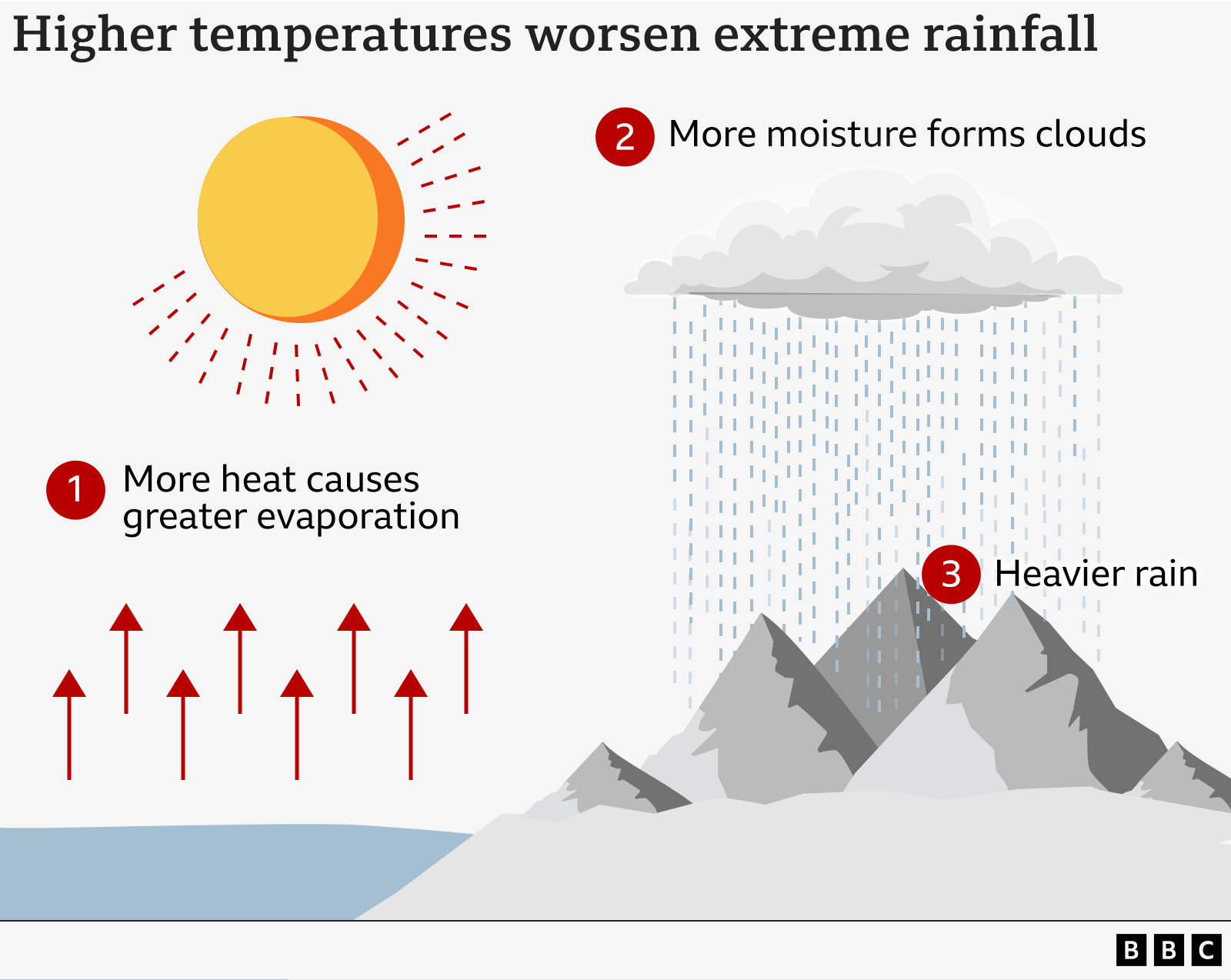
For every 1C rise in air temperature, the atmosphere can hold about 7% more moisture , external .
UK winters…