Reported by NPR Health
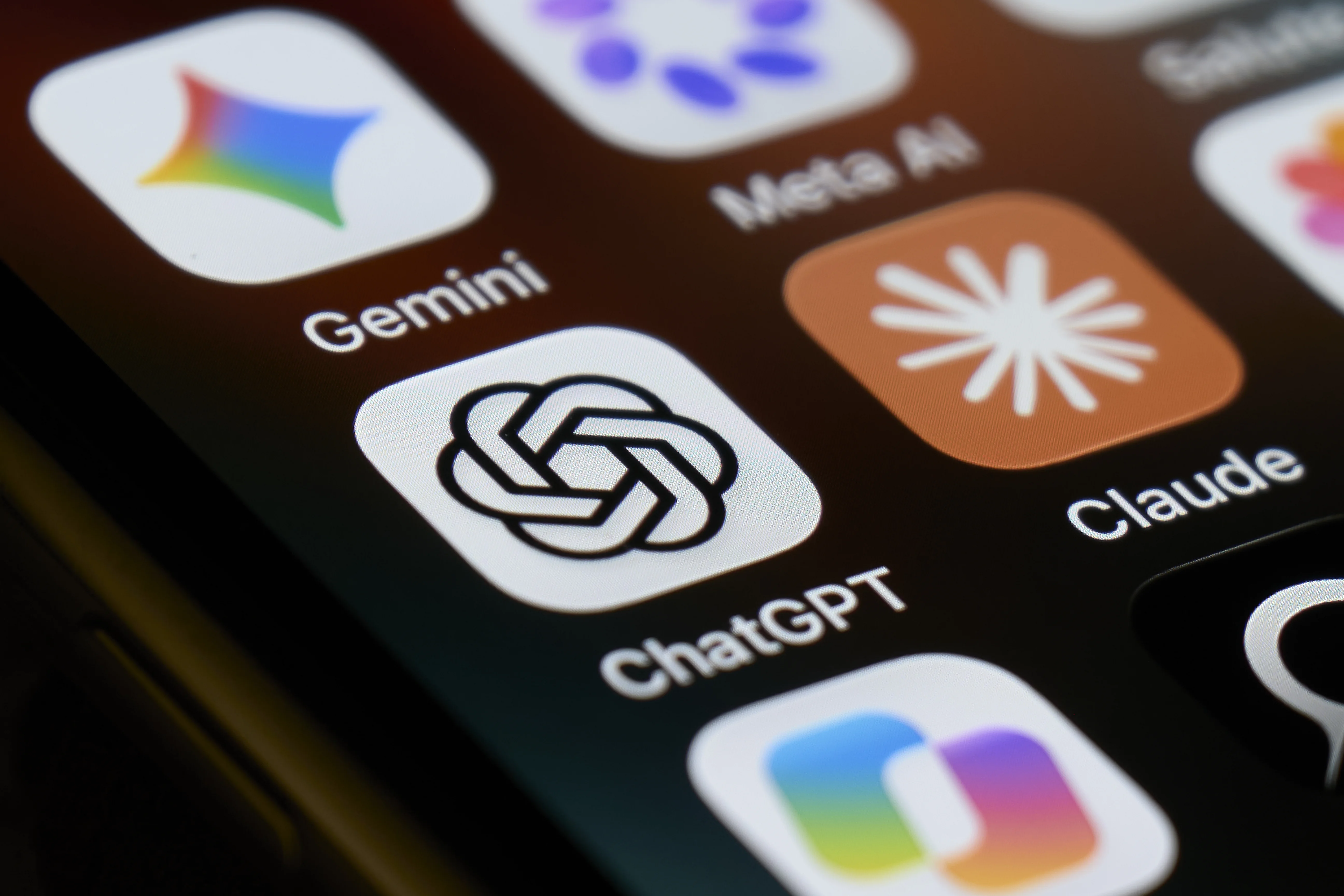
According to survey data from Common Sense Media, nearly half 9-to-12-year-olds have used an AI chatbot or companion, and by age 13, nearly three-quarters of kids have used chatbots. Matteo Della Torre/NurPhoto via Getty Images hide caption
Artificial intelligence chatbots are increasingly becoming a regular part of life for American youth. Two new surveys show that nearly two-thirds of tweens and teens use AI chatbots. While most kids use the technology for help with school work, and for companionship and emotional support, certain uses were linked with worse mental health symptoms.
For stories on the science of healthy living, subscribe to NPR's Health newsletter.
More from the original report
One survey , done by the online safety advocacy group, Common Sense Media, found that AI use starts early – years before kids hit the minimum age of 13 on most popular chatbots. Nearly half 9-to-12-year-olds have used an AI chatbot or companion. By the time kids are 13 years old, nearly three-quarters of them have used chatbots.
The other survey , done by the mental health advocacy group JED Foundation , found that 90% of the 5,500 9-to-17-year-olds in schools across the country have used an AI chatbot. Nearly two-thirds use it both for schoolwork and as companions, or when they are stressed, lonely, anxious or overwhelmed.
The findings are "remarkable" in showing how dramatically AI use by children and teens has changed in a short time, says developmental psychologist Anne Maheux at the University of North Carolina, Chapel Hill, who wasn't involved in the surveys.
"It seems like just a few years ago, no one was using" the technology, she says. "And now it seems like roughly the same number of kids using it for homework are using it to get emotional support or help with coping."
"I use it to make myself practice sample questions – sample test questions that I will answer with my own work," says 15-year-old Arjun Sharda , in Round Rock, Texas. "I use it to understand concepts outside of the classroom."
He uses both OpenAI's ChatGPT and Google's Gemini, he says, although he prefers the latter lately.
In…