Reported by ScienceDaily
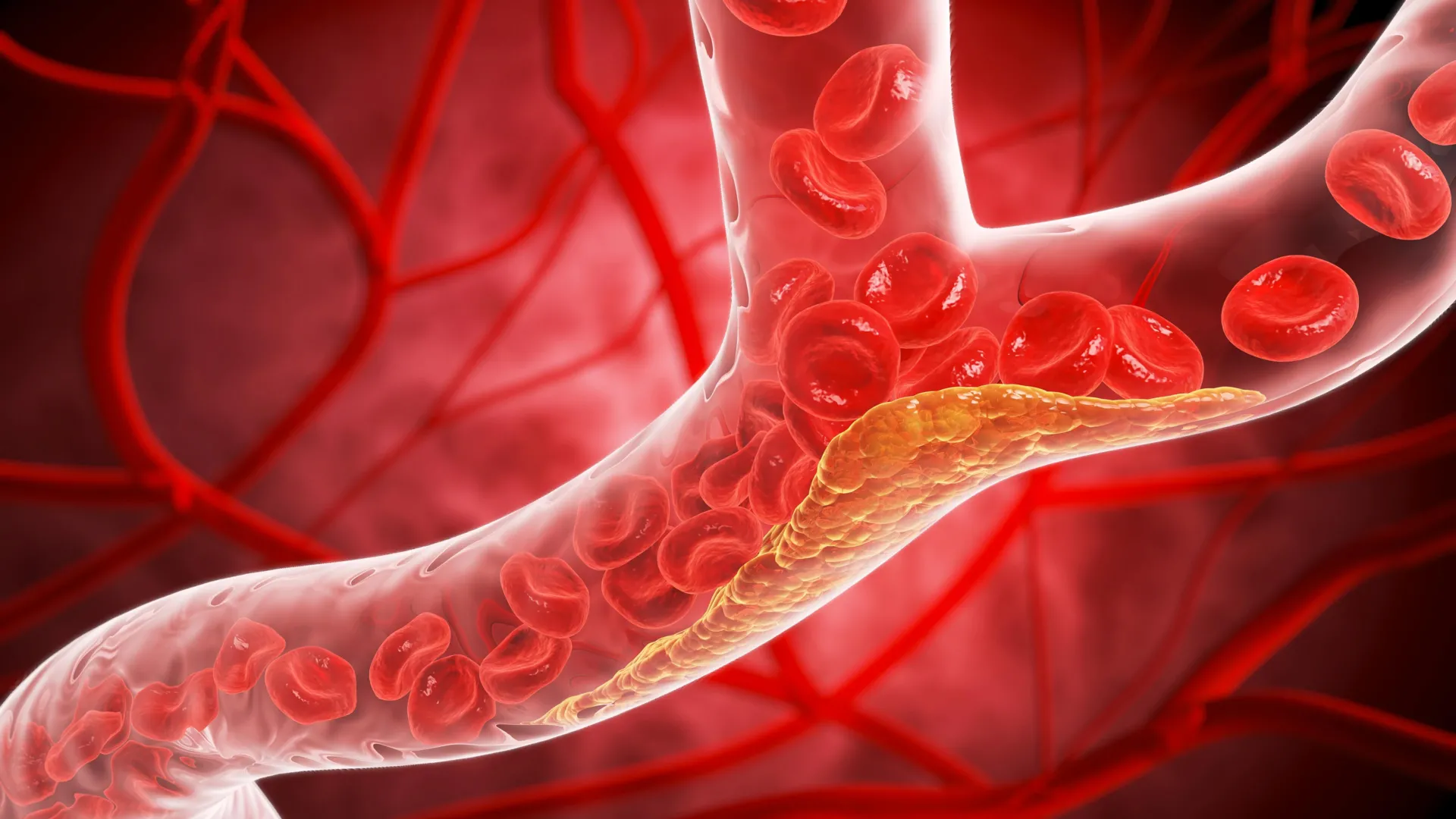
Heart disease linked to high cholesterol continues to be the leading cause of death worldwide. Although doctors have more treatment options than ever, many people still struggle to lower their cholesterol to safe levels. Others experience side effects that make existing medications difficult to take.
Researchers at the University of California San Diego School of Medicine have now identified a previously unknown biological pathway that helps explain why diets high in cholesterol can gradually weaken the body's ability to remove harmful low-density lipoprotein (LDL) cholesterol from the bloodstream. Even more promising, they have identified an experimental drug that has already undergone safety testing in humans and could potentially interfere with this process.
The findings, published in Nature , could open the door to a new approach to treating high cholesterol.
More from the original report
"We've known for a long time that a high-cholesterol diet reduces the liver's ability to clear cholesterol from the blood, but we didn't fully understand why," said senior author Alan Saltiel, PhD, professor of medicine at UC San Diego School of Medicine and director of the UC San Diego/UCLA Diabetes Research Center. "This new discovery explains a critical piece of that puzzle."
The liver plays a central role in controlling cholesterol levels. It removes cholesterol from the bloodstream so it can be processed, broken down, and used by other parts of the body.
To accomplish this, liver cells rely on structures called LDL receptors. Located on the surface of these cells, the receptors work much like docking stations, capturing LDL cholesterol circulating in the blood and bringing it inside for processing.
The number of available receptors matters. When liver cells have more LDL receptors, they can remove more cholesterol from circulation. This is one reason widely used cholesterol medications, including statins and PCSK9 inhibitors, are effective. They help maintain or increase the number of receptors available to clear LDL cholesterol.
Using experiments involving mice and human cells, the researchers discovered a previously unrecognized process that interferes with the liver's ability to clear cholesterol. Over time, this mechanism reduces the number of LDL receptors, making it harder for the body to…