Reported by ScienceDaily
Establishing a permanent human presence on the Moon will require more than rockets, habitats, and life support systems. Engineers must also find ways to protect astronauts and equipment from extreme temperatures that can swing from hundreds of degrees below zero to boiling hot. Reliable insulation will be essential, but keeping heat under control is only part of the problem.
Materials used in lunar construction must also survive transportation, installation, accidental impacts, and years of handling. Many of the best insulators are surprisingly delicate, making them poorly suited to the demanding conditions of a working Moon base.
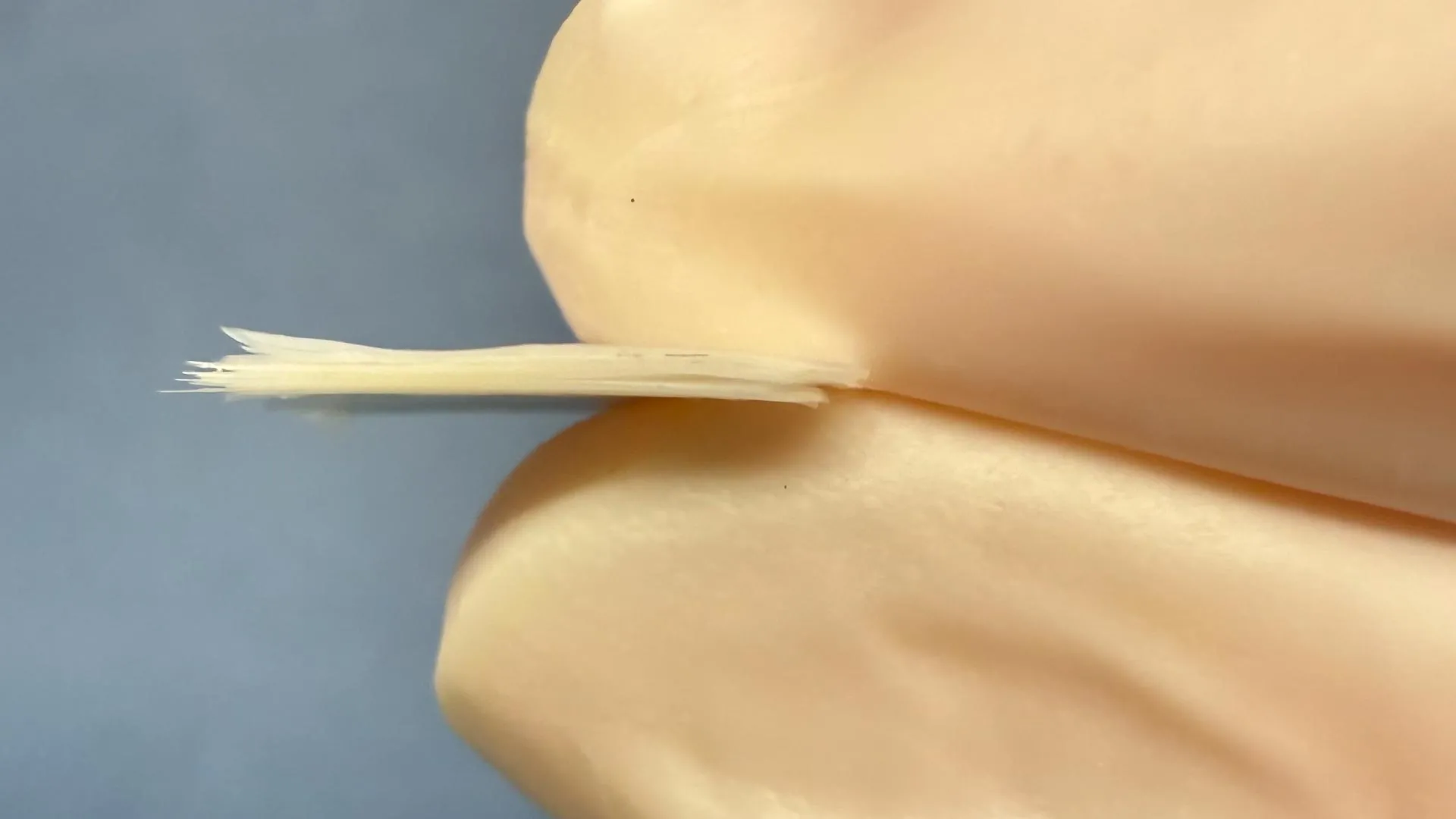
Researchers at the University of Pennsylvania may have found an answer in an unexpectedly familiar material: Mylar. This lightweight plastic is used in everyday products such as food wrap and, when coated with aluminum, the reflective emergency blankets that help marathon runners retain body heat. By arranging hundreds of extremely thin Mylar sheets into carefully designed stacks, the team has created insulation that remains effective even after being bent or subjected to intense pressure.
More from the original report
The research, published in ACS Applied Materials & Interfaces , introduces a material known as hybrid layered insulating film stacks (HyLIFS). Its main advantage is the ability to combine two qualities that are difficult to achieve together: excellent thermal insulation and resistance to physical damage.
"These stacks of Mylar can bend, withstand substantial compression and maintain their insulating performance," says senior author Igor Bargatin, Associate Professor in Mechanical Engineering and Applied Mechanics (MEAM), "potentially allowing them to be packed, transported and survive rough treatment over many years of use."
If engineers can eventually manufacture the material on a large scale, it could be used to protect lunar habitats, spacesuits, and other equipment designed to function for extended periods in the vacuum of space.
"The combination of thermal and mechanical robustness is critical for long-term use on the Moon," notes first author Danielle R. Levin, a recent Penn doctoral graduate in chemistry, who also received a master's in MEAM. "This material could open a pathway to inexpensive, durable and reusable lunar insulation."
Designing insulation for the Moon involves a difficult balancing…