Reported by NPR World
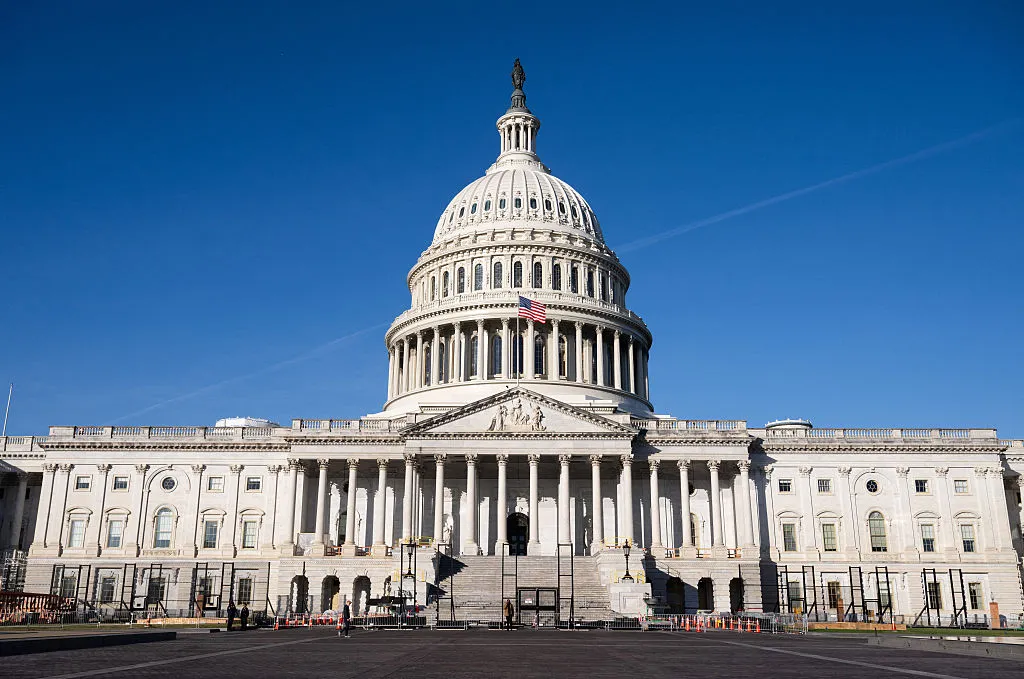
The U.S. Capitol is seen in Washington, DC, on November 3, the day of the US midterm elections. Saul Loeb/AFP via Getty Images/AFP hide caption
One thing is clear from this week's midterm elections: The Trump administration's foreign policy decisions were no longer just about what happened abroad. The war in Iran has driven up gas prices, while Trump's tariffs have raised costs for American businesses.
According to the Voter Poll conducted by SSRS for several news outlets, including The Associated Press, 51% of voters said U.S. support for Israel had been too strong, while 63% said the war in Iran was the wrong decision. Nearly three-quarters (74%) considered the war a major or crucial factor in their vote. The economy weighed even more heavily, with 89% calling it a major or crucial factor.
More from the original report
And while Americans were making their views known at the ballot box, the rest of the world had plenty to say , too. Sometimes with a little more humor. The election results have inspired AI-generated videos, social media memes and newspaper headlines abroad.
Anne Applebaum, a Pulitzer Prize-winning historian and staff writer at The Atlantic , has spent years studying authoritarianism and the erosion of democratic institutions. In a February interview with NPR, she warned about corruption in U.S. foreign policy , saying people around Trump and his family had accepted money from foreign governments and others.
Now, with Democrats set to control Congress, Applebaum sees reason for U.S. allies to regain some confidence in American democracy. But whether that translates into changes in foreign policy is another question.
On Morning Edition, Applebaum outlined three ways Congress could influence U.S. foreign policy, from the war in Iran to Ukraine, and where its power would stop. Read her takeaways below.
The U.S. and Israel have carried out military campaigns against Iran since June 2025. The war has cost American taxpayers an estimated $47.1 billion as of mid-October, according to Pentagon figures obtained by The Associated Press . Iranian retaliatory strikes have also targeted U.S. military bases in the Gulf.
"I don't expect Trump to change," Applebaum said.…