
Reported by BBC Science
Achieving "net zero" is the world's key strategy to fight climate change, which is already having serious consequences for people and nature around the globe.
But the political consensus around the UK's net zero policies has collapsed, with the Conservative and Reform parties now branding them too difficult and expensive.
Net zero means balancing the amount of planet-warming "greenhouse" gases produced by human activities with the amount being actively removed from the atmosphere.
More from the original report
Effectively this means no longer adding to the total amount of these gases in the atmosphere to limit climate change.
Greenhouse gases include carbon dioxide (CO2) and methane. Their levels in the atmosphere are increasing rapidly due to human activities, including burning fossil fuels, chopping down forests and farming.
In practice, reducing these emissions means switching from coal, oil and gas to cleaner energy sources like wind and solar power.
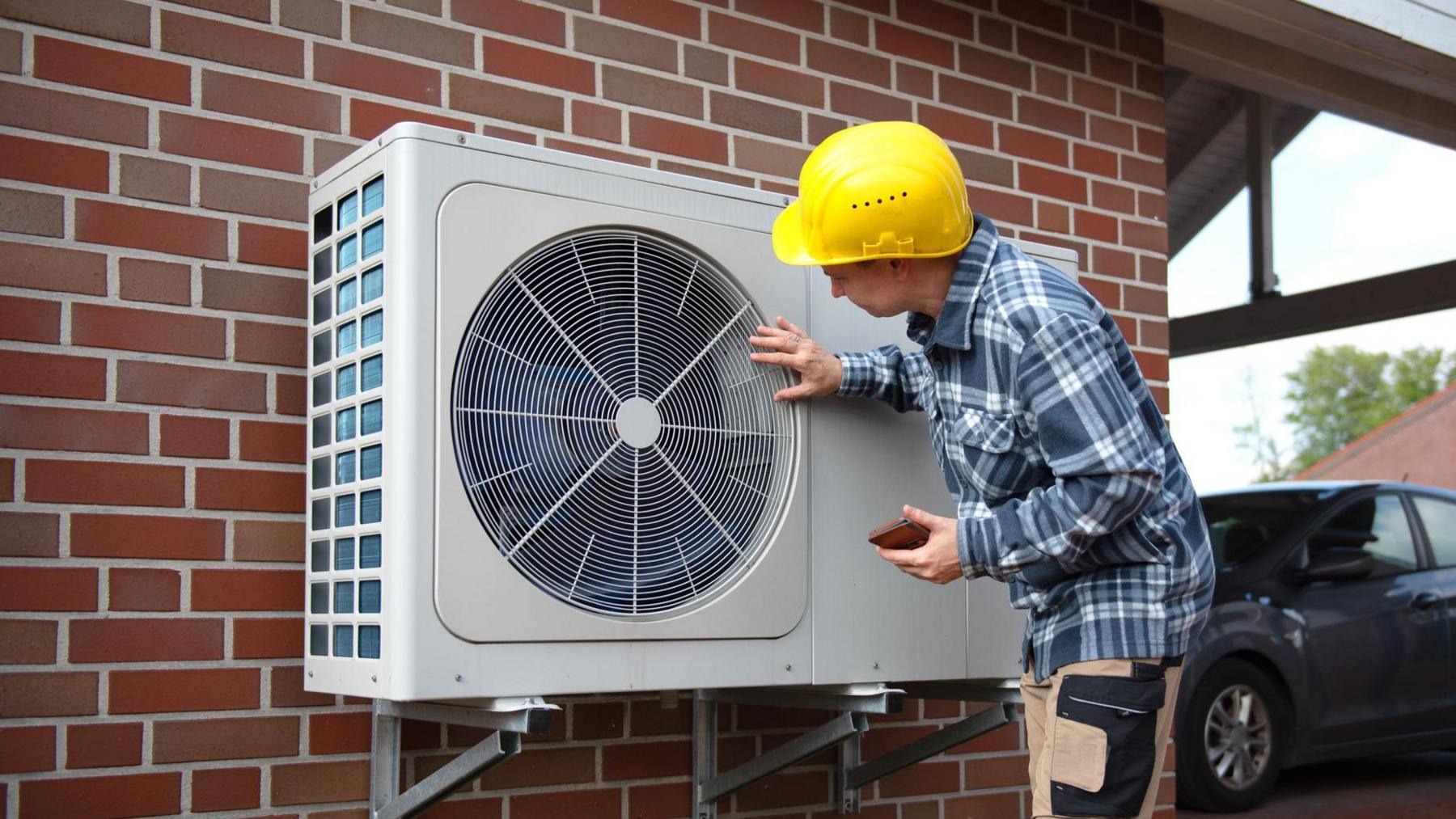
It also involves adopting green technologies like electric vehicles and heat pumps to replace petrol or diesel cars and gas boilers.
So remaining emissions must be matched by things like planting trees, restoring peatlands or using machines to remove CO2 from the air.
But there are limits to these "carbon removal" techniques in scale and cost. That is why most of the focus is on drastically reducing emissions in the first place.
The world is warming because of humanity's greenhouse gas emissions, which increase global temperatures by trapping extra energy in the atmosphere near the Earth's surface.
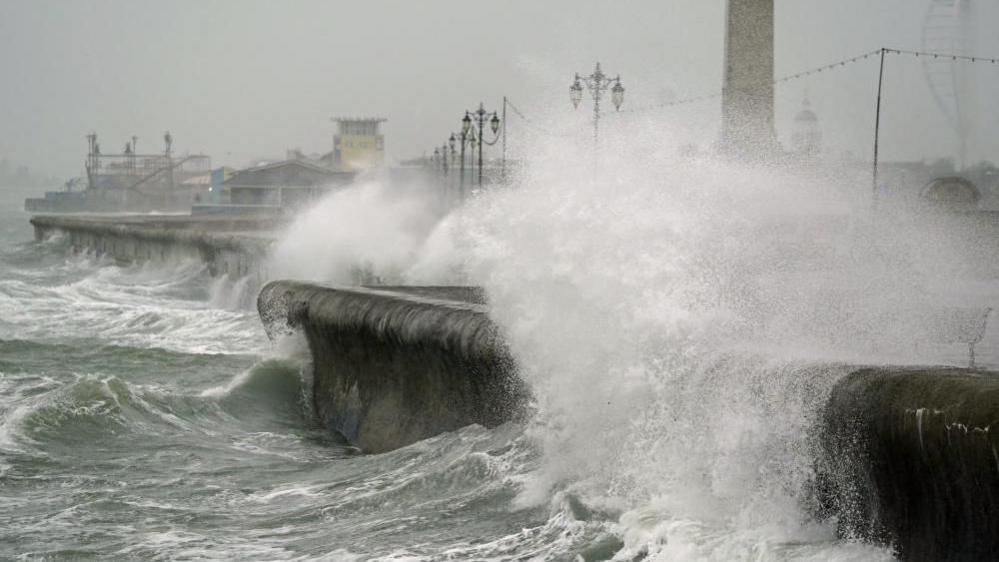
This is bringing more heatwaves and extreme weather as well as melting ice sheets and raising sea levels .
In 2026, the UK experienced its hottest summer on record , which the Met Office said was made 130 times more likely by climate change.
Aiming to avoid the worst of these impacts, nearly 200 countries signed the landmark 2015 Paris Agreement. A target was set to reach net zero globally in the second half of the century.
Around 140 countries , external have their own net zero targets, covering roughly three-quarters of global emissions and 80% of the world's population.
It's widely accepted that richer nations will need to get…