What did Drax, Brookfield and Radiant agree to?
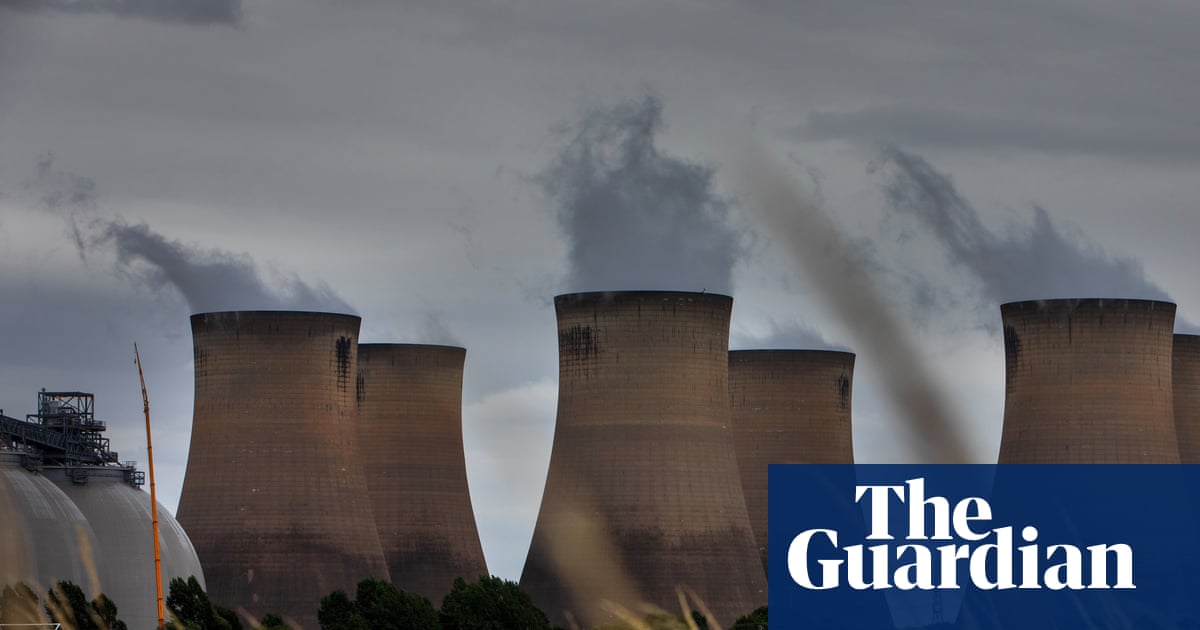
On 3 November 2026, Drax Group announced a partnership with Brookfield and Radiant. The companies will develop, deliver and operate an AI data centre at Drax Power Station in North Yorkshire. The site is near Selby and has powered the UK grid for more than 50 years. The station converted from coal to biomass and now burns imported wood pellets.
Drax described the agreement as the next chapter for the site. The partners aim for more than 1GW of data centre capacity, built in three phases.
The first phase targets up to 100MW and commercial operations in the first quarter of 2028. A second phase would add up to 500MW between 2028 and 2031. A third phase would develop more capacity after 2031.
Brookfield estimates that total potential investment, including semiconductor chips, could exceed £20bn. It puts the initial phase at £2.5bn. Those are estimates, not a signed construction contract.
Nothing is yet built. Phase one depends on planning permission, regulatory and network approvals, and a suitable tenant. It also needs commercial agreements and a final investment decision by each partner. Drax is preparing a planning application and expects a public consultation to begin in November 2026.
The roles are split. Drax provides land, power integration and planning. Radiant leads design, customer engagement and commercialisation. Brookfield supplies capital and operating capability through its joint venture with Qai, a Qatar-headquartered AI company owned by the Qatar Investment Authority.
The £20bn project figure is separate from the $20bn Brookfield-Qai joint venture. That venture was announced in December 2025 and focuses on AI infrastructure in Qatar and selected international markets. It is the backing vehicle, not the price tag for Drax.
Will Gardiner is Drax's chief executive. He said the site is 'one of the few UK sites that can provide large-scale reliable power directly to data centre customers'. He said the project could 'protect hundreds of jobs' and support 'the north's reindustrialisation'.
How big is the project, and when could it open?
Capacity figures for data centres describe electrical power, not the number of chips or the speed of a model. A 100MW campus can house a large amount of computing equipment. The actual IT load depends on the tenant and the design.
Drax says the first phase would be one of the largest data centres currently operating in the UK. If built in full, it says, the project could become one of the largest in the country.
The site already has most of the infrastructure a developer needs. It covers 1,000 acres and has 4GW of grid access, 2.6GW of dispatchable generation, cooling systems and proximity to fibre routes. Existing connections are valuable because new grid links can take years to secure.
That matters because grid connections are scarce. The Guardian reported in October that 315 data centres were queued for UK grid connections, representing 73GW of demand. That is almost double the UK's peak winter electricity demand.
Even so, the 2028 target is ambitious. The planning application has not been submitted, no anchor tenant has been named and no final investment decision has been taken. Construction would need to follow quickly after approvals.
The scale is also modest against national goals at first. The government estimates the UK will need 6GW of AI data centre capacity by 2030. Phase one would add at most 100MW, about 1.7% of that figure. The full 1GW would be about 17%.
Those comparisons assume the project reaches full capacity. The phases are ambitions, and the later ones have fewer commitments attached.
Why Drax needs a data centre tenant
Drax is a FTSE 250 company and owns the UK's largest power station. The plant produces almost 5% of the country's electricity by burning imported wood pellets, according to The Guardian. Analysts describe it as the UK's single largest source of carbon dioxide emissions.
Its support is shrinking. The government has said Drax will have a much more limited role in future. The Guardian reports that the plant will have access to only half its current £2m-a-day support from 2027 to 2031.
In November 2025, Drax signed a Contract for Difference with the government. It covers about 6TWh of biomass generation a year between April 2027 and March 2031. That is about 30% of the site's annual baseload output. The contract includes a route to seek approval for up to 500MW of data centre supply.
After March 2031, the picture is less certain. The government has not set out Drax's long-term support. A data centre tenant could give the site a revenue stream that does not depend entirely on subsidy.
The market reacted positively. Reuters reported that Drax shares rose 9% in early trading on 3 November. JPMorgan analysts said the deal could raise expectations that the plant continues operating beyond the subsidy scheme's expiry.
The project also fits a policy push. The government wants more AI infrastructure onshore and has created a Data Centre Covenant to speed up strategic projects. Drax and its partners say their initial assessment is that the project aligns with the covenant's criteria.
The local benefits are part of the pitch. The partners expect to create a voluntary community benefits fund, separate from planning obligations. Gardiner says the project would protect hundreds of jobs, though the companies have not published a job number.
Will the data centre run on biomass?
The first phase would not take power directly from Drax's biomass units. It would import electricity from the national grid through the site's existing connection, with Drax managing the supply. That phase would therefore have a different emissions profile from a campus powered entirely by the power station.
The second phase is different. Drax proposes to use its own generation behind the meter, under a long-term power purchase agreement, to supply up to 500MW. That would mean the data centre draws power from the power station rather than the wider grid.
Under the Contract for Difference, Drax needs agreement from the government and the Low Carbon Contracts Company. The approval is required before diverting up to 500MW to a data centre. The decision would consider value for money for consumers, energy security and sustainability.
That condition is central. The contract supports about 6TWh of biomass generation a year. At continuous full capacity, 500MW would draw about 4.4TWh a year, nearly three-quarters of the contracted total. The government has not approved that diversion yet.
Phase three would use the same behind-the-meter model after 2031. It is an ambition, not a commitment.
Drax argues that biomass is low-carbon because new trees absorb the carbon released when pellets are burned. The company also says the site's dispatchable generation is useful for AI loads, which need reliable power rather than intermittent supply.
Critics dispute the carbon claim. They argue that the accounting depends on forest regrowth, supply-chain emissions and the assumption that the wood would otherwise not be burned. The UK does not count biogenic carbon dioxide at combustion in the same way as fossil fuel emissions.
For Phase 1, the emissions depend on the grid mix. British grid electricity is not zero-carbon, and its intensity varies by hour and season. A grid-connected data centre can be cleaner than a coal-powered one, but it is not automatically clean.
How large could its emissions be?
The most concrete estimate of the project's emissions came before the new deal. In October, the Natural Resources Defense Council analysed Drax's earlier 1.2GW proposal. That plan took 100MW from the grid and the rest from the power station. The analysis used Drax's public documents and its 2025 annual report, according to The Guardian.
The NRDC estimated that the campus would need 4.9m tonnes of wood a year and produce 8.6m tonnes of carbon dioxide annually. That is nearly double the 4.79m tonnes attributed to all flights from Gatwick airport in 2024.
Matt Williams, a senior advocate at the NRDC, said the plan would be 'one of the dirtiest datacentres out there'. Drax rejected the analysis. A spokesperson called the NRDC a 'longstanding anti-biomass campaign group' and disputed its assumptions.
The caveats matter. The estimate assumed continuous operation of about 1.1GW on biomass. Drax has not committed to running the whole campus that way. The new plan separates a 100MW grid phase from a 500MW behind-the-meter phase. International greenhouse gas inventories treat biogenic emissions separately from fossil emissions to avoid double counting between energy and land use.
The new plan could therefore produce less than 8.6m tonnes, or more. The result depends on how Phase 2 and Phase 3 are powered, how often they run and what happens to the grid. No updated emissions estimate has been published.
Drax's own figures show the scale of the fuel supply. The company reported 14.1m tonnes of direct biogenic carbon dioxide emissions across the group in 2025. It consumed 7.74m tonnes of wood-pellet-equivalent biomass at Drax Power Station and generated about 15.36TWh from biomass.
The dispute is not only about this project. It is about whether biomass should count as renewable when the carbon is released at the stack and absorbed later by forests. That argument will shape the environmental tests the project faces.
What the deal means for UK AI policy
The government's policy framework is moving in the project's direction, but it is not a blank cheque. The Data Centre Covenant, published by HM Treasury on 28 October 2026, sets tests for strategic data centres that want faster treatment. The covenant is a policy test, not a statute, and it does not grant planning permission by itself.
The tests include paying a fair share of energy system costs and investing in local communities through a Local Benefit Plan. They also cover high environmental standards, jobs and apprenticeships, and security.
The covenant also sets a demand estimate. The government says the UK will need 6GW of AI data centre capacity by 2030 to protect its national interest. It describes the UK as the third-largest AI market after the US and China.
Drax and its partners say they welcome the covenant and believe the project aligns with its criteria. It is not yet clear whether the project will be designated as strategic. That status would affect its access to faster planning and grid treatment.
The project is also proceeding after a setback. The Times reported in October that the government had rejected a bid to make Drax an AI Growth Zone. That scheme, launched in April 2025, offers planning support and better power access for designated zones.
Five AI Growth Zones have been announced as of October, none at Drax. The new partnership does not mention the scheme. It points to the covenant instead, which is a broader set of conditions rather than a site designation.
The local picture is uncertain too. Land and Climate Review reported that the York and North Yorkshire Combined Authority led the earlier bid with the University of York. It also reported that neither the authority nor City of York Council remained involved with Drax. The new project will need local planning consent.
None of this makes the project unusual. It is one of several large AI infrastructure plans competing for power, planning permission and public acceptance. Its test is whether an existing industrial site with a controversial fuel source can be turned into accepted AI infrastructure.
What happens next?
The next milestone is the public consultation, expected in November 2026. A planning application would follow in the coming months. Until then, the project has no planning consent and no confirmed construction schedule.
Commercial milestones matter as much as planning. The partners need an anchor tenant, commercial agreements and a final investment decision. Without a tenant, the 2028 target has little meaning.
Phase 2 needs a separate government decision on the 500MW diversion. The Low Carbon Contracts Company would also be involved. That decision is likely to be contested because it affects the use of subsidised generation.
Beyond 2031, Drax's support arrangements are unresolved. The government has said the plant's role will be more limited. It has not set out what happens after the current contract. A data centre tenant could change that calculation.
Three things are worth watching. First, whether the project receives strategic status under the covenant or another fast-track route. Second, whether a tenant signs before construction. Third, whether the government approves the 500MW behind-the-meter supply.
Local politics and environmental scrutiny will also matter. Campaigners have already argued that the project would lock in biomass burning for years. The companies argue that it would preserve jobs and support UK AI capacity. If the project stalls, the site's future after 2031 remains tied to whatever support regime follows.
The £20bn figure is a potential investment estimate, not money committed. The 1GW figure is a target, not operating capacity. The 2028 date is a target, not a schedule. The deal is a significant signal for UK AI infrastructure, but it is still a plan.